
During the transitionary period between analog and digital dominance, we were told over and over again that whatever we put up on the Internet would be there forever, open access to whoever decided to look for it. Indeed, the Internet has subsequently functioned as an archive of myriad things – forgotten social media profile pages, art of all forms and eras digitally rendered for online engagement, research publications and news articles of decades past telling stories of human history and media over time.
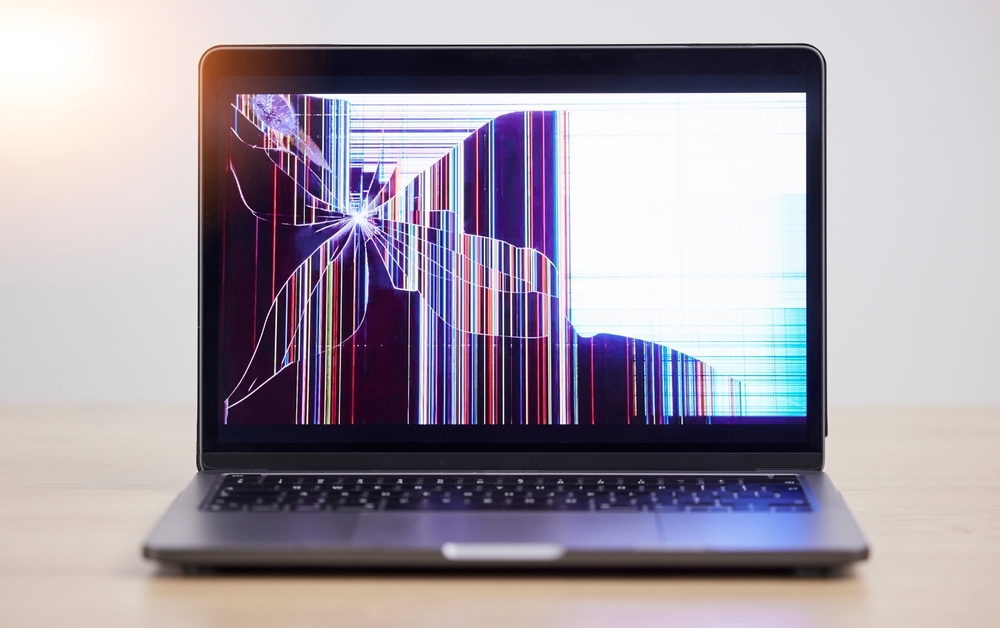
However, the Internet has proven more fragile than we know.
Content hosts have gathered far more power than content creators, contributing to the current fragility of the Internet and jeopardizing secure, reliable access to digital content and digitized knowledge in an era of impermanence. This power imbalance further enables corporate censorship at the behest of authoritarian governments, calling into question the lack of global governance on digitized knowledge protections and the accessibility of information.
Micromanaged Licensing & Controlling Knowledge
Internet Archive, a non-profit organization dedicated to preserving the vast contents of the Internet in an open-access digital library, began in 1996, with its archived content becoming publicly available in 2001. Through a variety of initiatives, Internet Archive has built a massive collection of video, audio, text, and webpage captures in the name of open access to knowledge on a scale unfeasible before the widespread digitization of content and the generation of new content in digital formats.
Questions of open access and copyright have put Internet Archive in the midst of a legal battle over what counts as fair use and what it means to function as a digital library. Penguin Random House, HarperCollins, Hachette, and Wiley argue their digitized books should only be available with digital license, likening digital copies to copyright infringement. These arguments are nothing new. As widespread sharing of and engagement with digital media kicked off in the mid 2000s, companies began installing data access limitations to protect their business models that historically depended on material scarcity.
This is far from the only way in which open access and digital use is being challenged in favor of turning profits. After popular anime streaming service Funimation merged with Crunchyroll, Crunchyroll stated that it would not support digital copies previously purchased through Funimation – meaning, all digital content purchases were revoked with no reimbursement on April 2, while they “encourage you to explore the extensive anime library available on Crunchyroll.” This was legally purchased content, held to entirely different standards of ownership and access due to its intangible nature. If a big box store were to stop selling copies of a particular book for whatever reason, the store does not have the right to rip the purchased copies out of customer hands, yet the same does not ring true for digitally-licensed goods.
While this exemplifies the most extreme example of what controls host platforms maintain over licensed digital media, the issue goes far wider than anime streaming. Purchasing ebooks on platforms such as Amazon’s Kindle and Google Play is not ownership of the property as it was when purchased – the licenses undergo updates ranging from simple cover art updates to undisclosed changes in material. While Kindle provides the option to opt-out of automatic content updates (rather than implementing an opt-in setting), Google Play does not allow readers to opt out of changes to their licensed materials. Despite these purchases being framed as a form of ownership of content, the digital nature of these licenses allows licensers increasingly precise control over the content post-purchase in ways that are not possible when purchasing a physical book or DVD. Penguin Random House and HarperCollins, two of the publishers involved in attempting to remove open access content from Internet Archive, did not respond to the New York Times for comment regarding their ebook license management policies regarding undisclosed changes made to licensed content.
Entertainment Engagement & Ownership: Tightening the Reins
Production studios and streaming platforms have taken advantage of the intangibility of digital media to make a quick buck. Warner Bros. has come under fire for their conduct regarding the unreleased destruction of completed film Wile E. Coyote vs ACME, and HBO Max culled a significant number of animated productions after they merged with Discovery, a Warner Bros. subsidiary. Not only were animations removed from streaming libraries, but they were steadily made unavailable for digital purchase. Fans bought physical copies of whatever they could get their hands on in droves. Others resorted to pirating in the hopes that their favorite shows don’t become lost media. Meanwhile, Sony announced that they too will be removing over a thousand television shows from their library, including those users had purchased due to licensing issues with Discovery since their acquisition by Warner Bros. There is no mention of reimbursement to users whose paid-for content was revoked, but their Terms of Service mention that these purchases are indeed revocable in ways a purchase of physical media cannot be.
Streaming platforms are becoming notorious for their efforts to implement artificial scarcity on their digital offerings; Netflix’s crackdown on password sharing between households is one recent form of enforced scarcity, forcing users to pay for new accounts. It was a success – Netflix’s control and influence over the streaming market compelled users to open new accounts due to a lack of other options. After all, its content volume is second only to Prime Video, and its history of groundbreaking Netflix-exclusive content only further established itself as a necessity in the entertainment-streaming economy. It’s impossible to deny the cultural impact of Netflix originals such as Stranger Things and Orange is the New Black, and Netflix is acutely aware of it as they tighten the reins of user content consumption practices.
Ensuring scarcity of their offerings by limiting the accessibility of content after an audience is hooked and dependent on it enforces the new level of power and control over digital media that content hosts (not creators, hosts – creators have been given the short stick, in the case of HBO Max’s thinning out of its animated offerings with little notice to creators) have been given in the streaming age. With increased accessibility of content in the digital realm, the compulsion to enact stricter controls over engagement became irresistible, becoming much more strictly regulated in ways that are not standard practice for physical media. Industry control over how consumers can engage with what media heightens censorship concerns as consumers grow increasingly dependent on streaming and neglect ownership of physical media that companies cannot control.
The Future of Digital Knowledge Distribution
The Internet is forever, or so we’re told. Production studios, streaming services, and publishers have taken this as a challenge, seeking to maintain scarcity in the digital realm to drive up profits. This stands in opposition to free, open access to digitized knowledge that is otherwise publicly available, in the case of Internet Archive, and in opposition to the preservation of media in favor of tax breaks and cold profitability for Warner Bros. The Internet has fostered a shift from ownership to usership, a usership undergoing increasingly tight controls over how it can be exercised. In the case of Crunchyroll and Funimation, digital ownership is being phased out, coupled with higher subscription prices for streaming dependency.
As media ownership and regular, guaranteed accessibility faces repeated threats from streaming services offering high, but discretional, quantities of media, the battle for open access to digitized knowledge goes on. Almost two decades of sacrificing ownership in favor of evidently ephemeral, conditional usership availability is impacting users’ relationships with digitized media and knowledge consumption and favors companies seeking to exercise controls over knowledge distribution via artificial digital scarcity, while becoming financially incentivized to cull media, attack digital knowledge distribution outlets, and begin limiting physical media releases and sales. Global governance on internet resiliency is needed to protect the fragility of our Internet and push back against the ease of censorship and over-commodification of digitized knowledge.
Posted 08 May 2024.
 Riley Rogerson
Leave a comment